Off-Road Transmission Tips: Keeping Your Pickup Truck Ready for Any Terrain
 Tyler Spangler
Published on: 20/09/2025
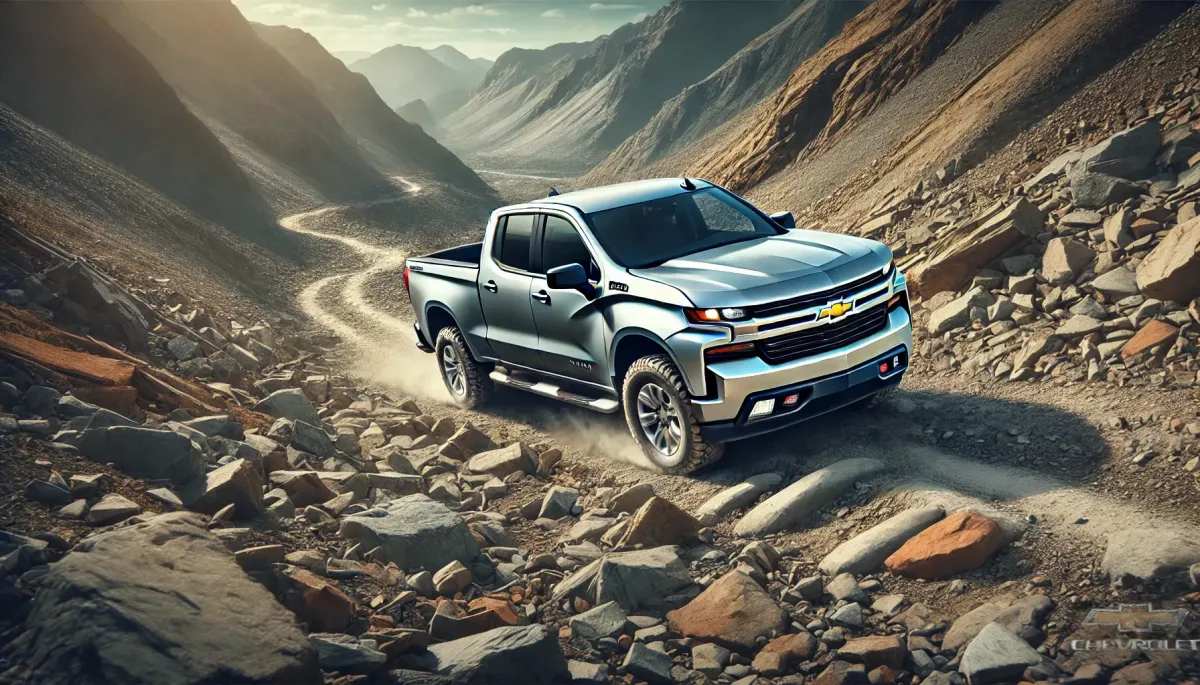
Ensure your pickup truck’s transmission is ready for any off-road adventure with this detailed guide on preparation, driving techniques, and post-trip maintenance. Learn how to minimize strain and overheating with the right fluid, coolers, and protective gear like skid plates. Master driving techniques that protect your transmission, such as using low gear and avoiding sudden starts and stops. Post-trip, inspect your truck for leaks, fluid condition, and debris buildup to prevent long-term damage. Whether you’re navigating rough trails or steep inclines, this guide will help you maintain your transmission’s performance and reliability, ensuring your truck is always off-road ready.
Truck Transmission SpecialistTTSTransmissionChevyFordGMCDodgeTruck enthusiastprofessional mechanicTransmission specialistTransmission maintenanceOff-road preparationPickup truckFluid analysisTransmission upgradesCooling systemDriving techniquesOff-road tipsTransmission fluidSkid plateAuxiliary coolerGear selectionTerrain navigationPost-trip inspectionTransmission performanceHeat managementTransmission protectionFluid checksOff-road drivingTrail readiness